Updated: June 9, 2026
Masturbation is a natural and normal aspect of human sexuality. However, there is a popular myth that frequent masturbation can lead to low sperm count or infertility. While frequent ejaculation can temporarily reduce sperm concentration for a short period, the body continuously produces new sperm. In this article, we’ll explore the potential origins of this myth, debunk it, and expand on factors that can actually hinder sperm count.
Does Masturbation Lower Sperm Count?
The body continuously produces sperm, and the act of ejaculation through masturbation is a normal part of this process. Ejaculation can temporarily reduce sperm count, but the amount of sperm present in a man’s semen is continuously being replenished. It takes approximately 2-7 days for new sperm cells to take the place of those expelled during ejaculation. For couples trying to conceive, avoid everyday ejaculation to ensure sperm count is at its highest.
History of the Myth
The myth that masturbation can lead to adverse health effects has been a part of many cultural conversations for centuries. One 18th-century pamphlet effectively titled The Heinous Sin of Self-Pollution went so far as to categorize masturbation as unnatural, filthy, and a sin. The pamphlet warns young men that if they continue their “corrupt” habit, they will end up impotent and unable to father children.
Although our modern medical understanding of masturbation and its effects have thoroughly debunked these ideas, open discussions regarding sexuality remain taboo for many people. This reluctance to have conversations about human sexuality allows these misconceptions to remain unchallenged.
The Benefits of Regular Ejaculation
Studies have shown that regular ejaculation, whether through sexual intercourse or masturbation, is actually beneficial for male reproductive health. Some health benefits include:
- Improved Mood and Stress Relief
- Enhanced Sexual Function and Satisfaction
- Better Sleep Quality
A 2025 review suggests that more frequent ejaculation may be associated with a lower risk of prostate cancer. However, researchers say more studies are needed to fully understand the relationship.
5 Factors That Can Cause Low Sperm Count
While masturbation itself does not cause low sperm count, several other factors can influence sperm production and quality, including:
1. Poor Physical Health
Maintaining a healthy weight is helpful for optimal sperm production, as obesity can lead to hormonal imbalances that affect semen parameters. A diet lacking essential nutrients like zinc, vitamin C, and Coenzyme Q10 (CoQ10) can also contribute to poor sperm health.
2. Age
As men age, the quality of their sperm tends to decline. This decline typically starts around age 40 and becomes more significant in older age (60+).
3. Prolonged Exposure to Heat
The scrotum houses the testes and controls the temperature for optimal sperm production. It is designed to keep the testes slightly cooler than the body’s core temperature, which is why they are external sex organs. This temperature difference (assured by an exterior “housing” for the testes) is essential for producing healthy sperm.
Prolonged exposure to high heat can damage sperm, reducing sperm motility and viability. Some examples of prolonged heat exposure include:
- Jacuzzis
- Saunas
- Hot Baths/Showers
- And More
4. Tight Clothing
Wearing tight underwear or clothing that compresses the groin area can increase scrotal temperature. Elevated scrotal temperature is known to impair sperm production. Opting for looser-fitting underwear and clothing can help maintain a cooler environment and support healthier sperm.
5. Chemicals and Toxins
A growing body of evidence suggests that exposure to certain chemicals may affect male fertility. These chemicals can interfere with many different aspects of sperm health, including sperm count, morphology, motility, and more. According to one 2020 study, some common chemicals and other environmental culprits that can hinder male fertility include:
- Pesticides/Herbicides (DST, DBCP, Organophosphates, Atrazine)
- Bisphenol A (BPA Plastics)
- Lead
- Natural Gas and Oil
- Radiofrequency Electromagnetic Radiation
Bottom Line
Masturbation does not generally cause permanent low sperm count or infertility in men. While ejaculation may temporarily reduce sperm concentration, the body produces new, replacement sperm cells. Many other factors like age, weight, diet, environmental toxins, and prolonged exposure to heat are more likely to affect sperm health and male fertility.
Learn About Your Sperm Health with SpermCheck
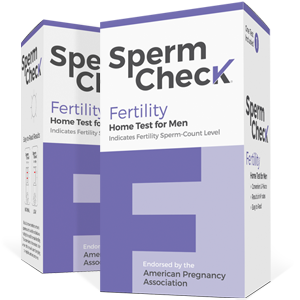
If you are trying to conceive and want to better understand your fertility status, an at-home sperm count test can provide an indication of whether your sperm count levels are normal. The SpermCheck Fertility Test offers discreet and accurate results in as little as 30 minutes – all from the comfort of home. Utilized by over 1 million customers, SpermCheck provides precise results that you can trust.
Frequently Asked Questions
Can daily masturbation cause infertility?
While ejaculation may temporarily reduce sperm concentration, there is no evidence that masturbation can cause permanent infertility.
Does ejaculation reduce sperm count?
Ejaculation can cause a temporary reduction in sperm; however, sperm is replenished every 2-7 days.
If you’re concerned that your sperm count may be low, an at-home sperm count test can give you clarity on your typical range.
Should men abstain from ejaculation when trying to conceive?
Couples who are trying to conceive should avoid everyday ejaculation to make sure sperm count is at its highest. New sperm typically takes 2-7 days prior to replenish after ejaculation.
How can I know my sperm count?
An at-home sperm count test like SpermCheck Fertility can verify if your sperm count is at normal levels with 98% accuracy.
Struggling with infertility and need answers?
An at-home sperm test from SpermCheck can help you know your sperm levels and discover the best next step in your fertility journey. Order your SpermCheck Fertility test today.