Updated: June 9, 2026
A vasectomy is more than just a medical procedure that can prevent pregnancy; it’s a choice that reflects personal and family planning goals.
A vasectomy in the United States typically costs between $0 and $3,000, depending on whether you have insurance, your deductible, and where the procedure is performed.
With insurance, many patients pay little or nothing out of pocket. Without insurance, most procedures fall in the $800–$1,500 range, though hospital-based procedures can cost more.
Understanding the full cost can help you avoid unexpected expenses.
How Much Does a Vasectomy Cost?
Here is a quick range of typical vasectomy costs:
| Situation | Typical Cost Range |
|---|---|
| With Insurance | Varies by plan, however many will partially or fully cover the cost |
| Without Insurance (out of pocket) | $0-$3,500 |
Sources: CoveredUSA and GoodRX
The exact price depends on your provider, if you have health insurance, and your location.
Here, you can learn about a vasectomy’s cost, its effectiveness in preventing a potentially unplanned pregnancy, and how insurance will factor into the equation.
What Impacts the Cost of a Vasectomy?
Procedure Costs
According to Planned Parenthood, vasectomy procedures can cost up to $1000 or, in some cases, even more. Factors like vasectomy type, your insurance plan, and where the surgical procedure is performed (healthcare provider’s office, hospital, clinic, etc.) can all affect the price.
Type of facility
Most vasectomies are performed in a healthcare provider’s office or clinic. Procedures in hospitals may be more expensive.
Type of anesthesia
Most vasectomies are performed using local anesthesia, a temporary pain blocker that allows you to remain conscious. This is generally the least expensive option. Some providers may offer sedation or general anesthesia at a hospital, which can increase costs due to medication and monitoring requirements – though this is not standard.
Provider fees
Different providers will charge different amounts for a vasectomy.
Geographic location
If you live in a city or state with a higher cost of living, the cost of your vasectomy may be higher than rural areas.
Post-Procedure Costs
After a vasectomy, there are other costs to consider, including:
- Follow-Up Visits
- Pain-Reducing Medicine
- Semen Analysis Testing (Sometimes more than one follow up semen check is required)
Also, most men take a few days or even a week off work to allow for healing. Depending on your profession, you should factor this time off of work into your expected cost.
Vasectomy Reversal
A vasectomy reversal is a more complex procedure than the original vasectomy, and it typically comes with a higher price tag. Vasectomy reversals are also less likely to be covered by insurance.
Is a Vasectomy Covered by Insurance?
Health insurance coverage for vasectomy procedures varies by plan.
Not all health insurance plans are created equal. While some insurance companies may fully cover the cost of a vasectomy, others may only cover part of the expense, and some may not cover it at all. You still may owe deductibles or copays after your insurance covers the initial cost.
Employer-Sponsored Plans
If you have health insurance through your employer, it’s worth checking the specifics of your plan. Many employer-sponsored insurance plans do provide some coverage for a vasectomy.
Medicaid and Medicare
Medicaid tends to fully or partially cover the cost of a vasectomy. The exact amounts covered by Medicaid typically depend on your location and individual circumstances.
Medicare is unlikely to cover the cost of a vasectomy. Medicare Parts A and B classify vasectomies as elective procedures and therefore do not cover them. Some Medicare Advantage (Medicare Part C) plans may cover or partially cover the procedure, but coverage is not guaranteed.
Additional Options
Some other payment options include:
- Payment Plans: Some vasectomy providers may offer payment plans to help spread the cost of your vasectomy out over time. For many, these consistent and smaller payments are more manageable than one lump sum.
- HSAs and FSAs: If you have a Health Savings Account (HSA) or a Flexible Spending Account (FSA), your saved funds can be used to foot a vasectomy bill.
3 Tips to Help Keep Your Vasectomy Bill Low
- It is essential to find an in-network provider to maximize your insurance benefits. Going out-of-network may result in higher out-of-pocket costs.
- Contact your insurance provider directly. This way, they can provide you with the most accurate and up-to-date information about what is covered under your specific plan.
- If you find yourself required to pay for the procedure out-of-pocket, utilize a credit card with high percentage cash-back rewards and/or low-interest rates.
The decision to get a vasectomy is a significant one, and understanding the financial aspects early in the planning process will help prevent any surprises down the road.
Many insurance plans do cover vasectomies, but it’s important to consult with both your insurance and healthcare providers to best understand if a vasectomy is the cost-effective method for your particular situation.
Vasectomy Effectiveness
A vasectomy is one of the most effective method of birth control, with a failure rate of less than one percent. Some of the most common forms of birth control and their failure rates include:
| Contraception | Failure Rate |
|---|---|
| Hormonal Implant | 0.05% |
| Sterilization (Vasectomy) | 0.15%-0.5% |
| IUD | 0.2%-0.8% |
| Standard Birth Control Pills | 9% |
| Vaginal Ring | 9% |
| Male Condom | 18% |
Source: The American College of Obstetricians and Gynecologists
Post-Vasectomy Testing Matters
Most patients require at least one semen analysis (and sometimes more) to confirm effectiveness before discontinuing other birth control methods.
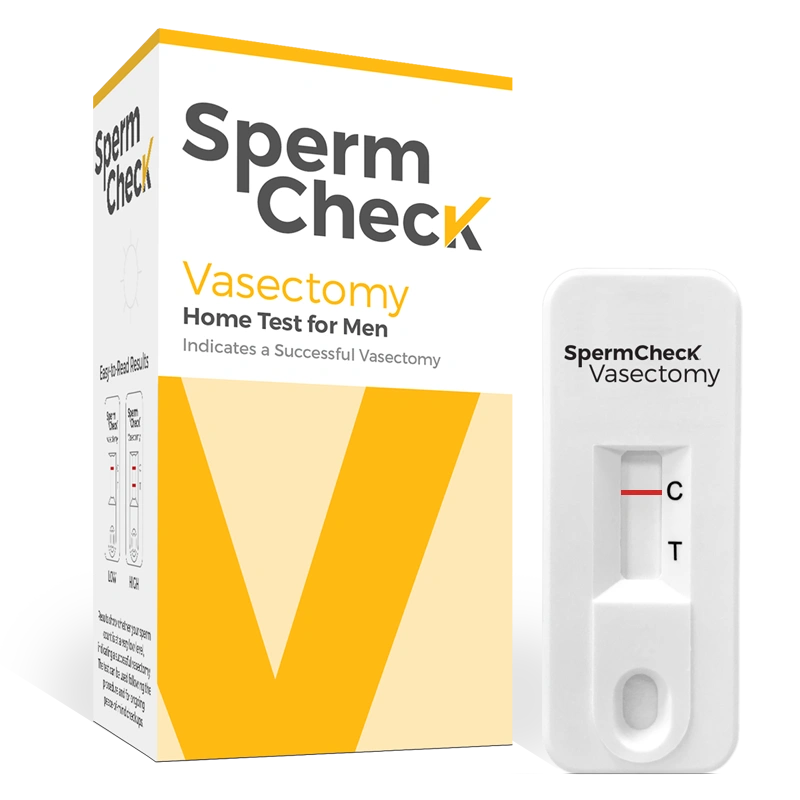
Urologists will typically instruct their patients to complete one or more semen analyses after a vasectomy, whether through a lab test or an FDA-Cleared at-home testing option such as SpermCheck Vasectomy. These tests confirm that sperm counts have fallen to levels considered consistent with a successful procedure.
Frequently Asked Questions
How much does a vasectomy cost without insurance?
Without insurance, a vasectomy typically costs between $800 and $1,500, depending on provider and location.
Is a vasectomy cheaper than other birth control methods long-term?
Yes, over the long-term, a vasectomy can be significantly cheaper than other forms of birth control. A vasectomy is a one-time procedure and is often more cost-effective than other methods that require continuous use and may or may not be covered by insurance.
Does insurance fully cover vasectomy procedures?
Many insurance plans cover vasectomies at least partially, though coverage depends on your deductible and provider network.
Can you compare vasectomy prices before scheduling?
If you are considering a vasectomy procedure at a hospital, you may now be able to view pricing information online thanks to federal hospital price transparency requirements.
How long does it take for a vasectomy to become effective?
A vasectomy is not immediate. It typically takes several weeks, and a confirmed negative semen test before a vasectomy is fully effective.
Want to make sure your vasectomy is still doing its job?
An at-home sperm test from SpermCheck can help you make sure your vasectomy worked (and keeps working). Order your SpermCheck Vasectomy test today.