Want to start a family? If you’re curious about how the seasons might affect your fertility, you’re not alone. Research suggests that sperm quality can fluctuate seasonally, with environmental factors like temperature, sunlight, and lifestyle changes playing a role. Understanding these seasonal patterns can help men make informed decisions on improving fertility.
Sperm Quality Changes with the Seasons
Multiple studies have explored the relationship between season and sperm quality, including sperm count, motility, and morphology. While results vary by region and population, there’s growing evidence that sperm count and motility patterns are influenced by some seasonal changes.
Seasonal Changes that Influence Sperm Quality
Why do seasonal patterns occur? Several biological and environmental factors may explain the link between seasons and male fertility:
- Heat Exposure
Rising temperatures in summer months or from prolonged exposure to hot tubs, saunas, or tight clothing can temporarily reduce sperm count and motility.
- UV Exposure and Vitamin D
Sunlight exposure increases vitamin D levels, which some studies suggest may improve sperm motility. Lower UV exposure in the winter may slightly reduce vitamin D, potentially affecting sperm performance.
- Lifestyle Factors
Seasonal lifestyle changes, like variations in diet, physical activity, and sleep can indirectly affect sperm quality. For example, you might sleep better in winter months with less daylight, or eat fresher, more nutrient-rich foods in the summer.
Overall, sperm quality can be influenced by a wide range of seasonal and lifestyle factors, including genetics, weight, medications, alcohol use, and environmental exposures.
Summer vs Winter: Which is Better for Male Fertility?
Let’s take a closer look at how summer and winter stack up for male fertility.
- Winter: Sperm count and motility often peaks in the winter months, possibly due to cooler temperatures and stable lifestyle patterns.
- Summer: Some studies show a temporary dip in sperm count during the hottest months, likely linked to heat exposure and seasonal habits.
It’s important to note that while seasonal effects are real, they are modest, and most healthy men maintain fertility year-round.
When to Use a Male Fertility Test
If you want to assess your fertility at home, seasonal variation is worth considering. Testing in extreme heat may slightly skew results. For the most reliable snapshot of your sperm health:
- Consider testing in a neutral environment, outside peak summer heat if you want to avoid temporary dips in count.
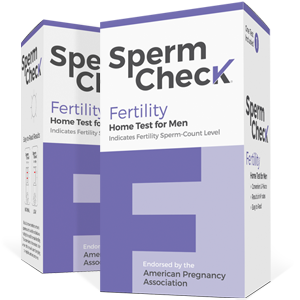
- Use an at-home sperm test like SpermCheck Fertility to measure sperm count from the comfort of your home. It’s simple, 98% accurate, and a great way to track your fertility over time, no matter the season.
Discover Your Sperm Count with SpermCheck Fertility
Seasonal changes can affect sperm count and motility, but the effects are generally modest and temporary. Understanding these patterns and maintaining healthy habits year-round can optimize male fertility and allow you to make informed decisions about family planning.
Struggling with infertility and need answers?
An at-home sperm test from SpermCheck can help you know your sperm levels and discover the best next step in your fertility journey. Order your SpermCheck Fertility test today.